With satellites continuously launching new transponders and channels, keeping up-to-date with frequency information is crucial. Accurate data ensures that viewers can tune their equipment correctly and avoid interruptions in signal reception.
Satellite networks are dynamic and subject to frequent changes, including channel relocations and updates in transmission parameters. Awareness of these adjustments allows audiences to maintain seamless access to their favorite programming.
Proper receiver configuration is fundamental for achieving stable and clear signals. Parameters like frequency, symbol rate, polarization, and modulation must be entered with precision to prevent disruptions, weak reception, or distorted images.
Equipment quality is just as important as accurate settings. High-grade satellite dishes, robust connectors, and reliable cables ensure that signals remain strong and consistent, even in areas prone to harsh weather conditions or environmental interference.
Aligning the satellite dish correctly is a critical factor in reception performance. Slight modifications in angle or orientation can significantly improve signal strength, reduce interference, and guarantee uninterrupted access to all intended channels.
Understanding satellite coverage areas helps viewers optimize their installations. Knowledge of footprints allows users to receive the maximum number of channels available in their region and minimizes the need for frequent adjustments.
Combining precise receiver settings, high-quality equipment, and awareness of satellite coverage ensures a smooth, uninterrupted viewing experience. Audiences can enjoy a diverse range of global content with confidence, whether for entertainment, education, or news, without worrying about signal interruptions.
With satellites continuously launching new transponders and channels, keeping up-to-date with frequency information is crucial. Accurate data ensures that viewers can tune their equipment correctly and avoid interruptions in signal reception.
Satellite networks are dynamic and subject to frequent changes, including channel relocations and updates in transmission parameters. Awareness of these adjustments allows audiences to maintain seamless access to their favorite programming.
Proper receiver configuration is fundamental for achieving stable and clear signals. Parameters like frequency, symbol rate, polarization, and modulation must be entered with precision to prevent disruptions, weak reception, or distorted images.
Equipment quality is just as important as accurate settings. High-grade satellite dishes, robust connectors, and reliable cables ensure that signals remain strong and consistent, even in areas prone to harsh weather conditions or environmental interference.
Aligning the satellite dish correctly is a critical factor in reception performance. Slight modifications in angle or orientation can significantly improve signal strength, reduce interference, and guarantee uninterrupted access to all intended channels.
Understanding satellite coverage areas helps viewers optimize their installations. Knowledge of footprints allows users to receive the maximum number of channels available in their region and minimizes the need for frequent adjustments.
Combining precise receiver settings, high-quality equipment, and awareness of satellite coverage ensures a smooth, uninterrupted viewing experience. Audiences can enjoy a diverse range of global content with confidence, whether for entertainment, education, or news, without worrying about signal interruptions.
The rapid expansion of satellite networks and the continuous launch of new channels make staying informed about accurate frequency information essential. Without precise tuning, viewers may experience interruptions, degraded signal quality, or the complete loss of channels they rely on daily.
Satellite systems are complex and constantly evolving. Channel frequencies, transponder settings, and transmission parameters are frequently updated, requiring viewers to adjust their equipment to maintain consistent access. Being aware of these changes ensures uninterrupted entertainment and reliable reception.
Accurate configuration of satellite receivers is crucial for achieving optimal performance. Key parameters, including frequency, polarization, symbol rate, and modulation type, must be entered carefully to avoid weak signals or distorted images, ensuring a clear and stable viewing experience.
The quality of equipment also significantly influences reception. High-quality satellite dishes, secure connectors, and durable cabling work together to maintain strong and consistent signals, even in areas affected by environmental challenges or signal interference.
Correct alignment and positioning of the satellite dish further enhance performance. Even small adjustments in angle or direction can improve signal strength, reduce interference, and guarantee that all desired channels are received with maximum clarity.
Understanding regional satellite coverage areas allows viewers to optimize their installations. Knowledge of footprints helps users receive the full range of available channels while minimizing disruptions or the need for repeated retuning.
With precise receiver settings, quality equipment, and awareness of satellite coverage, viewers can enjoy a seamless and uninterrupted TV experience. This combination ensures access to a rich variety of content worldwide, from entertainment and sports to news and educational programming, all delivered with clarity and reliability.
The rapidly evolving satellite landscape demands that viewers stay informed about accurate frequency information. Without timely updates, even minor changes in channel positions or transponder settings can result in disrupted reception, pixelated images, or complete signal loss.
Accurate receiver configuration is critical for maintaining uninterrupted access. Parameters such as frequency, polarization, symbol rate, and modulation type must be set precisely to ensure strong signal reception and optimal picture and sound quality.
High-quality satellite equipment further enhances performance. Reliable dishes, sturdy cables, and secure connectors help maintain stable signals, reducing the impact of environmental factors such as heavy rain, storms, or strong winds on channel reception.
Correct alignment and precise positioning of the satellite dish can significantly improve signal strength. Small adjustments in angle or direction often lead to better reception, minimizing interference and ensuring that viewers receive all intended channels clearly.
Understanding satellite coverage areas is essential for optimizing installations. By knowing which satellites provide the best signal for their region, viewers can maximize channel availability and enjoy uninterrupted access to their favorite programs.
Regular maintenance of the satellite system contributes to long-term stability. Periodic checks of cables, connectors, and dish alignment help prevent technical issues and ensure a consistently high-quality viewing experience.
Combining precise receiver settings, robust equipment, proper dish alignment, and knowledge of satellite footprints guarantees a seamless TV experience. Viewers can confidently enjoy a wide range of global content, from entertainment and sports to news and educational programming, without worrying about signal disruptions.
The rapidly evolving satellite landscape demands that viewers stay informed about accurate frequency information. Without timely updates, even minor changes in channel positions or transponder settings can result in disrupted reception, pixelated images, or complete signal loss.
Accurate receiver configuration is critical for maintaining uninterrupted access. Parameters such as frequency, polarization, symbol rate, and modulation type must be set precisely to ensure strong signal reception and optimal picture and sound quality.
High-quality satellite equipment further enhances performance. Reliable dishes, sturdy cables, and secure connectors help maintain stable signals, reducing the impact of environmental factors such as heavy rain, storms, or strong winds on channel reception.
Correct alignment and precise positioning of the satellite dish can significantly improve signal strength. Small adjustments in angle or direction often lead to better reception, minimizing interference and ensuring that viewers receive all intended channels clearly.
Understanding satellite coverage areas is essential for optimizing installations. By knowing which satellites provide the best signal for their region, viewers can maximize channel availability and enjoy uninterrupted access to their favorite programs.
Regular maintenance of the satellite system contributes to long-term stability. Periodic checks of cables, connectors, and dish alignment help prevent technical issues and ensure a consistently high-quality viewing experience.
Combining precise receiver settings, robust equipment, proper dish alignment, and knowledge of satellite footprints guarantees a seamless TV experience. Viewers can confidently enjoy a wide range of global content, from entertainment and sports to news and educational programming, without worrying about signal disruptions.
The rapidly evolving satellite landscape demands that viewers stay informed about accurate frequency information. Without timely updates, even minor changes in channel positions or transponder settings can result in disrupted reception, pixelated images, or complete signal loss.
Accurate receiver configuration is critical for maintaining uninterrupted access. Parameters such as frequency, polarization, symbol rate, and modulation type must be set precisely to ensure strong signal reception and optimal picture and sound quality.
High-quality satellite equipment further enhances performance. Reliable dishes, sturdy cables, and secure connectors help maintain stable signals, reducing the impact of environmental factors such as heavy rain, storms, or strong winds on channel reception.
Correct alignment and precise positioning of the satellite dish can significantly improve signal strength. Small adjustments in angle or direction often lead to better reception, minimizing interference and ensuring that viewers receive all intended channels clearly.
Understanding satellite coverage areas is essential for optimizing installations. By knowing which satellites provide the best signal for their region, viewers can maximize channel availability and enjoy uninterrupted access to their favorite programs.
Regular maintenance of the satellite system contributes to long-term stability. Periodic checks of cables, connectors, and dish alignment help prevent technical issues and ensure a consistently high-quality viewing experience.
Combining precise receiver settings, robust equipment, proper dish alignment, and knowledge of satellite footprints guarantees a seamless TV experience. Viewers can confidently enjoy a wide range of global content, from entertainment and sports to news and educational programming, without worrying about signal disruptions.
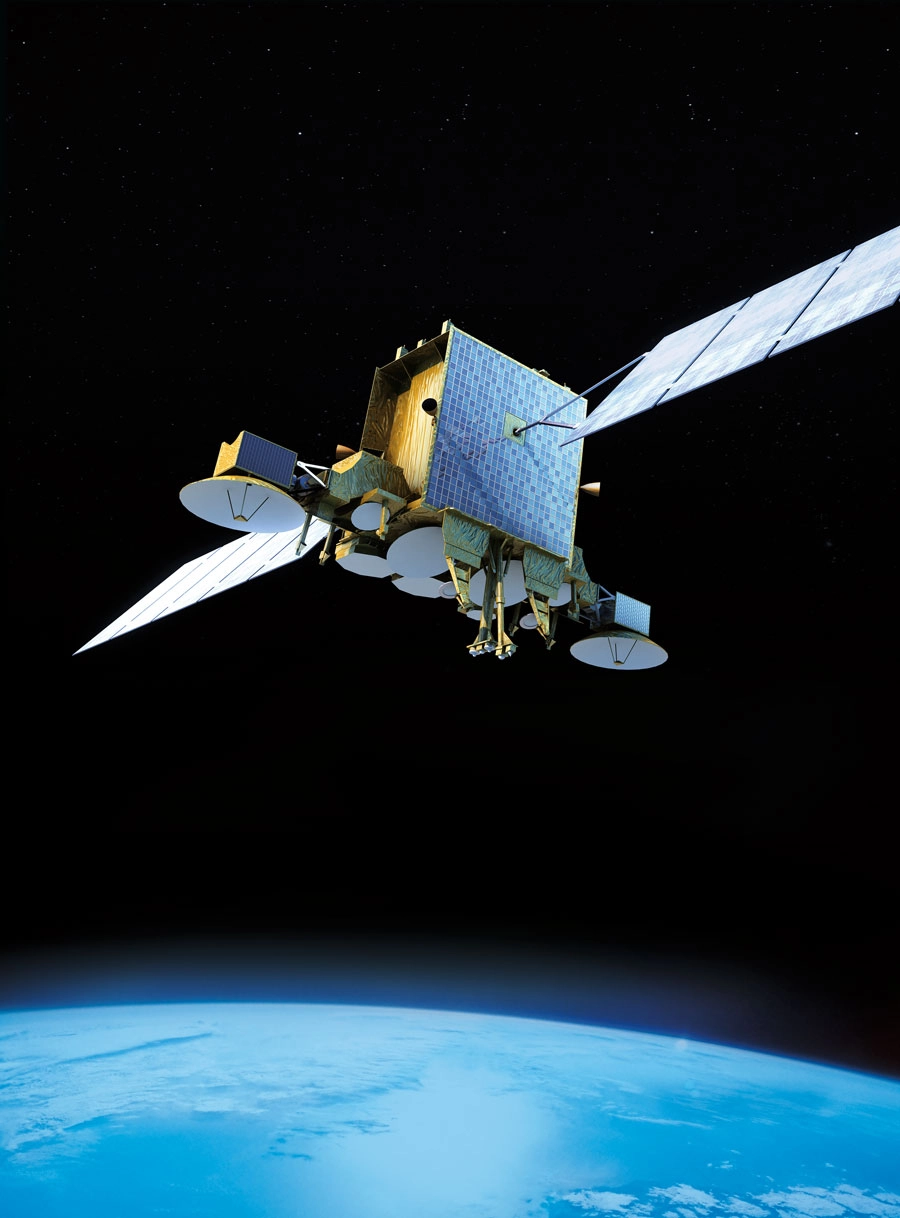
The Thor satellite system, masterfully orchestrated by Space Norway, stands as a beacon of innovation in global satellite communications, illuminating Europe, the Middle East, North Africa (MENA), and beyond with unparalleled broadcasting and connectivity.
Anchored at the prime orbital slot of 0.8° to 1° West, the Thor fleet—comprising Thor 5, Thor 6, Thor 7, Intelsat 10-02, and the forthcoming Thor 8—delivers over 1,000 TV and radio channels 📡 to 18 million households.
From vibrant DTH broadcasts to high-speed maritime broadband, Thor is a trailblazer in connecting people, cultures, and industries.
This article dives into the Thor system’s cutting-edge technology, its transformative impact, key frequency details for tuning, and expert tips for seamless reception as of July 2025.
Why Thor Shines Bright 🌟
-
Global Reach 🌍: Blankets the Nordics, Central and Eastern Europe, the Middle East, and maritime hubs like the North Sea, Baltic Sea, and Mediterranean with Ku- and Ka-band beams.
-
Broadcasting Brilliance 📺: Streams crystal-clear HD and SD channels, featuring global giants like BBC, Disney, and Eurosport, captivating audiences with stunning visuals.
-
Maritime Mastery ⚓: Powers high-speed broadband for ships and offshore platforms, boosting crew welfare and operational excellence with 2–6 Mbps uplink speeds.
-
Technological Vanguard 🚀: Harnesses advanced payloads, including Thor 7’s Ka-band high-throughput satellite (HTS) and Thor 8’s dual-purpose design for commercial and government use.
-
Versatile Access 🔓: Offers a blend of free-to-air and encrypted channels, ensuring inclusivity for diverse viewers and broadcasters.
The Thor Fleet: A Constellation of Excellence 🛰️
Space Norway’s Thor satellites are a testament to engineering prowess, evolving to meet the demands of modern connectivity. Here’s a closer look at the fleet as of July 2025:
-
Thor 5 🌠: Launched in February 2008 aboard a Proton-M rocket by Orbital Sciences Corporation, Thor 5 operates on the STAR-2 platform with 24 Ku-band transponders (3.6 kW power). Positioned at 1° West, it powers DTH TV and telecommunications across the Nordics, Europe, and the Middle East, remaining a steadfast pillar of the fleet.
-
Thor 6 (Intelsat 1W) 📡: Launched in October 2009 via an Ariane 5 rocket by Thales Alenia Space, Thor 6 leverages the Spacebus-4000B2 platform with 36 Ku-band transponders (16 for Nordics, 20 for Central/Eastern Europe). Stationed at 0.8° West, it succeeded Thor 3, supporting DTH and broadband services, with Intelsat leasing 10 transponders.
-
Thor 7 🌊: Launched in April 2015 by Space Systems/Loral (SSL) on an Ariane 5 rocket, Thor 7 is a multi-mission marvel with 11 Ku-band transponders for broadcasting and 25 Ka-band spot beams for maritime broadband. Covering the North Sea, Red Sea, Baltic Sea, Persian Gulf, and Mediterranean, it delivers 2–6 Mbps uplinks and is positioned at 1° West, with a lifespan beyond 2030.
-
Thor 10-02 (Intelsat 10-02) 🔧: Launched in June 2004 by Thales Alenia Space, this satellite, co-operated with Intelsat, received a groundbreaking mission extension in 2021 via Northrop Grumman’s Mission Extension Vehicle-2 (MEV-2). At 1° West, it supports broadcasting and connectivity across Europe and the Middle East.
-
Thor 8 (Future) 🔮: Commissioned in 2025 from Thales Alenia Space, Thor 8 is a dual-use satellite with Ku- and Ka-band payloads, set for launch around 2028.
-
It will elevate broadcasting in the Nordics and Central/Eastern Europe while enhancing maritime and government connectivity across EMEA, with a 15-year lifespan.
Frequency Guide for Thor Satellites 📡
Thor satellites power Nordic and European broadcasters, delivering channels like Cartoon Network, BBC Earth, and TV2 Hungary.
Frequency for Thor Satellites 📊
|
Satellite |
Frequency |
Polarization |
Symbol Rate |
FEC |
Coverage |
Details |
|---|---|---|---|---|---|---|
|
Thor 5 |
11265 MHz |
Horizontal (H) |
25000 kS/s |
3/4 |
Nordics, Europe, Middle East |
DVB-S2, 8PSK, Canal Digital Beam T1, HDTV/SD, scrambled/free-to-air. 📺 |
|
Thor 6 |
10809 MHz |
Vertical (V) |
25000 kS/s |
3/4 |
Nordics, Central/Eastern Europe |
DVB-S2, 8PSK, HDTV/SD, scrambled/free-to-air, K1/K2 beams. 📡 |
|
Thor 7 |
12245 MHz |
Horizontal (H) |
30000 kS/s |
5/6 |
Europe, Middle East |
DVB-S2, Ku-band, HDTV/SD, scrambled/free-to-air, broadcasting beam. 📻 |
|
Thor 10-02 |
11305 MHz |
Vertical (V) |
27500 kS/s |
3/4 |
Europe, Middle East |
DVB-S2, HDTV/SD, scrambled/free-to-air, Intelsat beam. 📽️ |
Key Information 🔍
-
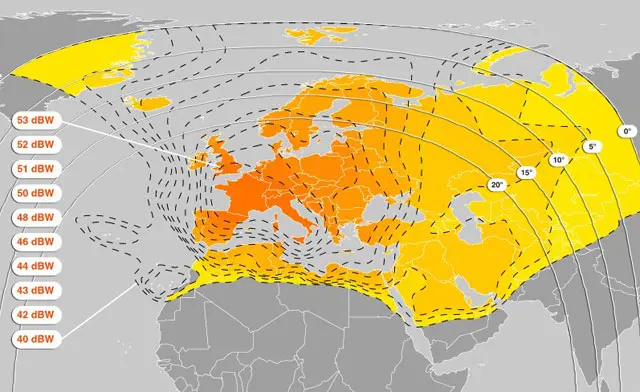
Coverage Reach 🌍: Thor 5, 6, and 10-02 deliver Ku-band broadcasting to the Nordics, Central/Eastern Europe, and parts of the Middle East. Thor 7’s Ka-band supports maritime broadband in the North Sea, Red Sea, Baltic Sea, Persian Gulf, and Mediterranean.
-
Frequency Precision ✅: Use the listed transponders for current channel lineups. Avoid outdated frequencies like 11785 MHz (Vertical, FEC 7/8) on Thor 5 or 11389 MHz (Horizontal) on Thor 6, which may no longer be active.
-
Emirates TV Note 🚫: As of July 2025, Emirates TV is not broadcast on Thor. For Emirates TV, tune to Nilesat (12226 MHz, Vertical, 27500 kS/s, FEC 5/6, HD, DVB-S2), Arabsat (11804 MHz, Horizontal, 27500 kS/s, FEC 3/4, SD, DVB-S), or Hot Bird (11747 MHz, Vertical, 27500 kS/s, FEC 3/4, SD, DVB-S).
-
Access Options 🔓: Thor offers free-to-air and scrambled channels (e.g., Canal Digital, Allente). Scrambled channels may require a compatible receiver with decryption (e.g., Conax).
Mastering Reception: Tips for Optimal Performance 📡
To capture Thor’s signals (0.8° W or 1° W) with flawless clarity, follow these expert tips for superior reception:
-
Dish Size 📏: Opt for a 70-100 cm dish in the Nordics and Central Europe. For the Middle East or fringe areas (e.g., southern Europe, North Africa), a 100-150 cm dish ensures robust signal strength.
-
Precision Alignment 🧭: Align your dish to 0.8° West or 1° West using a satellite finder or mobile apps. Clear obstructions like buildings or trees for an unobstructed line of sight.
-
LNB Compatibility 🔌: Use a Universal Ku-band LNB (9.75/10.6 GHz) for Thor 5, 6, and 10-02 Ku-band transponders, or a Ka-band LNB for Thor 7’s maritime services. Verify receiver support for DVB-S and DVB-S2.
-
Signal Strength 📶: Aim for 70% or higher signal quality (98% optimal) on your receiver’s meter to eliminate pixelation. Fine-tune LNB skew for maximum performance.
-
Weather Resilience ☔: Protect against signal loss in heavy rain or snow by securing your dish and ensuring LNB caps are watertight.
-
Coverage Verification 🗺️: Confirm your location falls within Thor’s beam (Nordics, Europe, MENA, or maritime zones) for reliable reception.
Tuning Thor Satellites: A Step-by-Step Guide 📺
Adding Thor’s channels to your satellite receiver is seamless with these steps, compatible with most receivers (e.g., Strong, Humax, Starsat), though menu labels may vary.
-
Access the Menu ⚙️: Press “Menu” or “Settings” on your remote, then navigate to “Installation,” “Channel Search,” or “Antenna Setup.”
-
Select Manual Scan 🔎: Choose “Manual Scan,” “Manual Installation,” or “Add Relay,” then select “Add TP” or “Edit Relay.”
-
Choose Your Satellite 🛰️: Select Thor 5, Thor 6, Thor 7, or Intelsat 10-02 (Thor 10-02) at 0.8° West or 1° West. If unavailable, manually enter the orbital position (0.8° W or 1° W).
-
Input Relay Settings 📋: Enter settings from the frequency table (e.g., 11265 MHz, Horizontal, 25000 kS/s, 3/4 for Thor 5). Verify accuracy.
-
Run the Scan 🔄: Press “Scan,” “Search,” or “OK.” Select “FTA Only” for free-to-air channels or “All Channels” for all options. Wait 1-3 minutes for completion.
-
Save Channels 💾: Press “Save” or “OK” to store channels like “TV2 HD” or “BBC Earth” in your list.
-
Fine-Tune Signal 🔧: Adjust dish azimuth and elevation if the signal is weak, targeting 70-98% strength. Check LNB skew and cables.
-
Test Playback 📺: Select a channel to confirm clear playback. Consult a professional installer if issues persist.
Receiver Tips 🔌:
-
Enable “LNB Power” on Strong receivers (e.g., SRT 4950) in the “Relay” menu.
-
Set LNB to “Universal” for Ku-band or specify Ka-band for Thor 7 on Humax or Starsat.
-
Use default PINs (e.g., 0000, 1234) if prompted; check your manual.
Thor’s Global Impact and Future Horizon 🌟
The Thor satellite system redefines connectivity and broadcasting:
-
Broadcasting Powerhouse 📡: Streams over 1,000 digital TV and radio channels via platforms like Allente, serving broadcasters like Viacom, Disney, and TV2 Hungary.
-
Maritime Innovation ⚓: Thor 7’s Ka-band delivers 2–6 Mbps broadband to ships and offshore platforms, enhancing crew welfare and operational efficiency.
-
Sustainability Pioneer ♻️: Thor 10-02’s 2021 mission extension via MEV-2 set a global benchmark for satellite servicing, extending life and reducing debris.
-
Thor 8’s Vision 🔮: Launching in 2028, Thor 8 will bolster Ku- and Ka-band services, supporting broadcasting, maritime, and government needs with a 15-year lifespan.
-
Integrated Ecosystem 🌐: Combines satellite, fiber, and terrestrial networks, supporting initiatives like Project Greensand for carbon storage in the North Sea.
Satellite networks frequently update their transponder positions and channel frequencies. Staying informed about these changes allows viewers to quickly adjust their equipment and maintain seamless access to all channels.
High-quality equipment is crucial for signal stability. Durable dishes, reliable cables, and secure connectors reduce the risk of weak reception or disruptions caused by environmental factors like rain or strong winds.
Correct alignment of the satellite dish significantly improves signal strength. Even minor adjustments in angle or direction can enhance reception, minimize interference, and ensure that all desired channels are received with clarity.
Understanding satellite coverage areas helps optimize installations. Knowledge of footprints allows viewers to capture the maximum number of channels available in their region and reduces the need for repeated retuning or troubleshooting.
By combining precise receiver settings, quality equipment, and proper dish alignment, viewers can enjoy a smooth and uninterrupted TV experience, ensuring access to a wide variety of entertainment, news, sports, and educational content.
Satellite networks frequently update their transponder positions and channel frequencies. Staying informed about these changes allows viewers to quickly adjust their equipment and maintain seamless access to all channels.
High-quality equipment is crucial for signal stability. Durable dishes, reliable cables, and secure connectors reduce the risk of weak reception or disruptions caused by environmental factors like rain or strong winds.
Correct alignment of the satellite dish significantly improves signal strength. Even minor adjustments in angle or direction can enhance reception, minimize interference, and ensure that all desired channels are received with clarity.
Understanding satellite coverage areas helps optimize installations. Knowledge of footprints allows viewers to capture the maximum number of channels available in their region and reduces the need for repeated retuning or troubleshooting.
By combining precise receiver settings, quality equipment, and proper dish alignment, viewers can enjoy a smooth and uninterrupted TV experience, ensuring access to a wide variety of entertainment, news, sports, and educational content.
Satellite networks frequently update their transponder positions and channel frequencies. Staying informed about these changes allows viewers to quickly adjust their equipment and maintain seamless access to all channels.
High-quality equipment is crucial for signal stability. Durable dishes, reliable cables, and secure connectors reduce the risk of weak reception or disruptions caused by environmental factors like rain or strong winds.
Correct alignment of the satellite dish significantly improves signal strength. Even minor adjustments in angle or direction can enhance reception, minimize interference, and ensure that all desired channels are received with clarity.
Understanding satellite coverage areas helps optimize installations. Knowledge of footprints allows viewers to capture the maximum number of channels available in their region and reduces the need for repeated retuning or troubleshooting.
By combining precise receiver settings, quality equipment, and proper dish alignment, viewers can enjoy a smooth and uninterrupted TV experience, ensuring access to a wide variety of entertainment, news, sports, and educational content.
Signal clarity depends not only on correct receiver settings but also on the quality of the equipment used. High-grade satellite dishes, robust connectors, and reliable cables work together to maintain strong and stable reception, even under challenging environmental conditions.
Accurate configuration of frequency, polarization, symbol rate, and modulation is essential for optimal performance. Even minor errors can result in distorted images, weak signals, or temporary loss of channels, making attention to detail a key factor for uninterrupted viewing.
Proper dish alignment is crucial in maximizing signal strength. Adjusting the angle or direction of the dish, even slightly, can significantly reduce interference and improve reception across all available channels, ensuring a smooth and consistent experience.
Awareness of satellite coverage areas and footprints allows viewers to optimize their installations. By understanding which satellites provide the best signal in their region, audiences can access a wider range of channels with minimal effort or repeated adjustments.
Regular monitoring and maintenance of the satellite system further enhance long-term performance. Periodically checking equipment, verifying connections, and fine-tuning alignment prevent potential disruptions and contribute to a consistently high-quality viewing experience.
By combining accurate receiver settings, quality equipment, proper alignment, and knowledge of satellite coverage, viewers can enjoy a seamless and immersive TV experience. This approach ensures reliable access to entertainment, news, sports, and educational programming, creating a satisfying and uninterrupted viewing environment for the entire household.
Signal clarity is influenced by the combination of accurate receiver configuration and durable hardware. Properly installed dishes, reinforced cables, and secure connectors ensure stable performance even in areas affected by environmental challenges or high interference.
Fine-tuning the satellite dish and verifying all parameters can greatly enhance the viewing experience. Small adjustments often translate into sharper images, uninterrupted audio, and reliable access to all available channels.
With informed setup, quality equipment, and careful tuning, viewers can enjoy TV seamlessly and without frustration. This approach guarantees a dependable and high-quality viewing experience across a wide variety of channels, from entertainment and sports to news and educational content.
Accurate frequency information is essential to prevent signal loss or interference. Even small errors in setting transponders or modulation parameters can result in disrupted viewing, making updated data a necessity for uninterrupted access.
High-quality hardware plays a major role in consistent performance. Robust dishes, durable cabling, and secure connectors maintain strong signal strength, ensuring uninterrupted access even during adverse weather conditions.
Optimized dish alignment enhances reception across all channels. Small adjustments can significantly improve signal clarity, reduce interference, and provide viewers with a smooth and enjoyable viewing experience.
Understanding satellite footprints allows users to maximize their setup. By positioning dishes according to coverage areas, viewers can access a wider range of channels with minimal signal degradation.
Combining accurate configuration, premium equipment, proper alignment, and knowledge of coverage areas ensures a stable and seamless TV experience, offering consistent access to global news, entertainment, sports, and educational programming.
Accurate frequency information is essential to prevent signal loss or interference. Even small errors in setting transponders or modulation parameters can result in disrupted viewing, making updated data a necessity for uninterrupted access.
High-quality hardware plays a major role in consistent performance. Robust dishes, durable cabling, and secure connectors maintain strong signal strength, ensuring uninterrupted access even during adverse weather conditions.
Optimized dish alignment enhances reception across all channels. Small adjustments can significantly improve signal clarity, reduce interference, and provide viewers with a smooth and enjoyable viewing experience.
Understanding satellite footprints allows users to maximize their setup. By positioning dishes according to coverage areas, viewers can access a wider range of channels with minimal signal degradation.
Combining accurate configuration, premium equipment, proper alignment, and knowledge of coverage areas ensures a stable and seamless TV experience, offering consistent access to global news, entertainment, sports, and educational programming.
Signal quality depends not only on correct settings but also on the durability and performance of hardware. Well-built dishes, robust cables, and tightly secured connectors contribute to consistent reception even when environmental conditions are less than ideal.
Proper dish orientation and precise tuning can make a significant difference in signal clarity. Small adjustments often lead to clearer images, uninterrupted audio, and the ability to enjoy every available channel without interference.
By combining careful configuration, high-quality equipment, and informed placement, audiences can enjoy TV that is both reliable and immersive. This ensures continuous access to a wide range of programs, from sports and news to entertainment and educational content, all delivered with high-quality performance.
Satellite networks frequently update their transponder positions and channel frequencies. Staying informed about these changes allows viewers to quickly adjust their equipment and maintain seamless access to all channels.
High-quality equipment is crucial for signal stability. Durable dishes, reliable cables, and secure connectors reduce the risk of weak reception or disruptions caused by environmental factors like rain or strong winds.
Correct alignment of the satellite dish significantly improves signal strength. Even minor adjustments in angle or direction can enhance reception, minimize interference, and ensure that all desired channels are received with clarity.
Understanding satellite coverage areas helps optimize installations. Knowledge of footprints allows viewers to capture the maximum number of channels available in their region and reduces the need for repeated retuning or troubleshooting.
By combining precise receiver settings, quality equipment, and proper dish alignment, viewers can enjoy a smooth and uninterrupted television experience, ensuring access to a wide variety of entertainment, news, sports, and educational content.