The rapid expansion of satellite networks and the continuous launch of new channels make staying informed about accurate frequency information essential. Without precise tuning, viewers may experience interruptions, degraded signal quality, or the complete loss of channels they rely on daily.
Satellite systems are complex and constantly evolving. Channel frequencies, transponder settings, and transmission parameters are frequently updated, requiring viewers to adjust their equipment to maintain consistent access. Being aware of these changes ensures uninterrupted entertainment and reliable reception.
Accurate configuration of satellite receivers is crucial for achieving optimal performance. Key parameters, including frequency, polarization, symbol rate, and modulation type, must be entered carefully to avoid weak signals or distorted images, ensuring a clear and stable viewing experience.
The quality of equipment also significantly influences reception. High-quality satellite dishes, secure connectors, and durable cabling work together to maintain strong and consistent signals, even in areas affected by environmental challenges or signal interference.
Correct alignment and positioning of the satellite dish further enhance performance. Even small adjustments in angle or direction can improve signal strength, reduce interference, and guarantee that all desired channels are received with maximum clarity.
Understanding regional satellite coverage areas allows viewers to optimize their installations. Knowledge of footprints helps users receive the full range of available channels while minimizing disruptions or the need for repeated retuning.
With precise receiver settings, quality equipment, and awareness of satellite coverage, viewers can enjoy a seamless and uninterrupted TV experience. This combination ensures access to a rich variety of content worldwide, from entertainment and sports to news and educational programming, all delivered with clarity and reliability.
As the number of satellites and available channels continues to grow, keeping up-to-date with accurate frequency information is essential. Without precise data, viewers may experience signal loss, pixelation, or complete unavailability of their favorite channels, disrupting the overall viewing experience.
The landscape of satellite broadcasting is constantly evolving. Channel frequencies, transponder settings, and transmission parameters are frequently updated, and awareness of these changes allows audiences to maintain uninterrupted access to their preferred programming.
Proper receiver configuration is critical for optimal performance. Key parameters such as frequency, polarization, symbol rate, and modulation type must be set accurately to prevent weak signals or distorted images, ensuring a stable and enjoyable viewing experience.
High-quality equipment plays an equally important role in maintaining signal integrity. Reliable satellite dishes, durable cables, and secure connectors help preserve strong and consistent reception, even under adverse environmental conditions such as storms, heavy rain, or strong winds.
Aligning and positioning the satellite dish correctly can dramatically enhance signal strength. Minor adjustments in the dish’s angle or orientation often make a significant difference in reception quality, reducing interference and ensuring that all available channels are received clearly.
Understanding regional satellite coverage is vital for optimizing installations. Knowledge of satellite footprints allows viewers to maximize channel availability in their area while minimizing the likelihood of weak or lost signals, ensuring a consistent and reliable TV experience.
Regular monitoring and maintenance of the satellite system contribute to long-term performance stability. Periodic inspection of cables, connectors, and dish alignment helps prevent technical issues and ensures that signals remain clear and uninterrupted over time.
Advanced satellite receivers now support high-definition and ultra-high-definition content. Proper tuning and accurate configuration are required to enjoy these formats at their full quality, as even small misalignments or incorrect settings can negatively affect the viewing experience.
Environmental factors can impact reception, but robust equipment and careful installation minimize these effects. Well-positioned dishes, reinforced cables, and secure connectors allow viewers to maintain uninterrupted access to their channels despite weather or other external challenges.
By combining accurate receiver settings, high-quality equipment, and awareness of satellite coverage, viewers can enjoy a seamless and uninterrupted TV experience. This approach ensures access to a wide variety of global content, from entertainment and sports to news and educational programming, providing a complete and satisfying viewing experience.
The rapidly evolving satellite landscape demands that viewers stay informed about accurate frequency information. Without timely updates, even minor changes in channel positions or transponder settings can result in disrupted reception, pixelated images, or complete signal loss.
Accurate receiver configuration is critical for maintaining uninterrupted access. Parameters such as frequency, polarization, symbol rate, and modulation type must be set precisely to ensure strong signal reception and optimal picture and sound quality.
High-quality satellite equipment further enhances performance. Reliable dishes, sturdy cables, and secure connectors help maintain stable signals, reducing the impact of environmental factors such as heavy rain, storms, or strong winds on channel reception.
Correct alignment and precise positioning of the satellite dish can significantly improve signal strength. Small adjustments in angle or direction often lead to better reception, minimizing interference and ensuring that viewers receive all intended channels clearly.
Understanding satellite coverage areas is essential for optimizing installations. By knowing which satellites provide the best signal for their region, viewers can maximize channel availability and enjoy uninterrupted access to their favorite programs.
Regular maintenance of the satellite system contributes to long-term stability. Periodic checks of cables, connectors, and dish alignment help prevent technical issues and ensure a consistently high-quality viewing experience.
Combining precise receiver settings, robust equipment, proper dish alignment, and knowledge of satellite footprints guarantees a seamless TV experience. Viewers can confidently enjoy a wide range of global content, from entertainment and sports to news and educational programming, without worrying about signal disruptions.
With satellites continuously launching new transponders and channels, keeping up-to-date with frequency information is crucial. Accurate data ensures that viewers can tune their equipment correctly and avoid interruptions in signal reception.
Satellite networks are dynamic and subject to frequent changes, including channel relocations and updates in transmission parameters. Awareness of these adjustments allows audiences to maintain seamless access to their favorite programming.
Proper receiver configuration is fundamental for achieving stable and clear signals. Parameters like frequency, symbol rate, polarization, and modulation must be entered with precision to prevent disruptions, weak reception, or distorted images.
Equipment quality is just as important as accurate settings. High-grade satellite dishes, robust connectors, and reliable cables ensure that signals remain strong and consistent, even in areas prone to harsh weather conditions or environmental interference.
Aligning the satellite dish correctly is a critical factor in reception performance. Slight modifications in angle or orientation can significantly improve signal strength, reduce interference, and guarantee uninterrupted access to all intended channels.
Understanding satellite coverage areas helps viewers optimize their installations. Knowledge of footprints allows users to receive the maximum number of channels available in their region and minimizes the need for frequent adjustments.
Combining precise receiver settings, high-quality equipment, and awareness of satellite coverage ensures a smooth, uninterrupted viewing experience. Audiences can enjoy a diverse range of global content with confidence, whether for entertainment, education, or news, without worrying about signal interruptions.
The rapidly changing landscape of satellite broadcasting demands constant attention to frequency information. Without accurate data, viewers risk losing access to channels or experiencing interrupted reception, highlighting the importance of precise tuning and regular updates.
Modern satellites are equipped with multiple transponders and frequently adjust their positions, requiring viewers to stay informed to maintain uninterrupted access. Awareness of these changes allows audiences to enjoy continuous, high-quality viewing without the frustration of signal drops or pixelation.
Setting up a satellite receiver correctly is a critical step in ensuring optimal performance. Accurate entry of parameters such as frequency, polarization, symbol rate, and modulation type is essential to avoid weak signals, distorted images, or temporary channel loss.
The quality of equipment plays an equally vital role. Durable satellite dishes, high-quality cables, and secure connectors work together to sustain strong, stable signals, even in challenging weather conditions or regions with complex satellite footprints.
Proper dish alignment and orientation are crucial to maximizing signal strength. Even minor adjustments can significantly enhance reception, reduce interference, and ensure that viewers receive every available channel with clear and stable transmission.
Understanding regional satellite coverage allows viewers to optimize their installations effectively. By knowing the exact footprint of each satellite, users can configure their dishes to capture the widest possible range of channels while minimizing interference from nearby satellites.
Combining precise receiver settings, robust equipment, and a comprehensive understanding of satellite coverage guarantees a seamless TV experience. Viewers can enjoy uninterrupted access to a rich variety of content, making satellite technology an indispensable tool for modern entertainment, information, and education.
beIN Series, part of the Qatar-based beIN Media Group, is a premium TV channel dedicated to delivering a diverse array of international and regional TV series to audiences across the Middle East and North Africa (MENA).
Launched to cater to drama and entertainment enthusiasts, beIN Series broadcasts high-quality content, including American, Turkish, Arabic, and other global series, often with Arabic subtitles or dubbing.
As a subscription-based channel, it offers an ad-free viewing experience, making it a top choice for viewers seeking uninterrupted storytelling.
This article provides the latest frequencies for beIN Series on all relevant satellites as of June 2025, detailed steps to add the channel to your receiver, reception tips, and an overview of its engaging programming.
On the subject of beIN Series
beIN Series is a cornerstone of beIN Media Group’s entertainment portfolio, complementing its sports and movie channels like beIN Sports and beIN Movies.
Headquartered in Doha, Qatar, the channel targets MENA audiences with a curated selection of TV series spanning genres such as drama, thriller, comedy, romance, and crime.
Popular shows include American hits like Grey’s Anatomy and The Walking Dead, Turkish dramas like Diriliş: Ertuğrul, and Arabic series like Al-Khawaja Abdul Qadir. Unlike free-to-air channels, beIN Series requires a paid subscription through beIN’s official packages, accessible via authorized receivers or beIN CONNECT for streaming.
Its high-definition (HD) broadcast and minimal interruptions enhance the viewing experience, making it a favorite for families and series enthusiasts across the region.
beIN Series Frequencies on All Satellites
To access beIN Series, you need the correct frequency, polarization, symbol rate, and FEC (Forward Error Correction) settings for your satellite receiver, along with an active beIN subscription.
Since beIN Series is an encrypted channel, a compatible beIN receiver or smartcard is required. Always verify frequencies with official beIN channels or trusted satellite databases, as transponder settings may change.
Nilesat 201/Eutelsat 7 West A (7.0° West)
-
Channel: beIN Series HD
-
Frequency: 11055 MHz
-
Polarization: Horizontal (H)
-
Symbol Rate: 27500 kS/s
-
FEC: 2/3
-
Beam: Middle East and North Africa
-
Notes: Provides strong coverage for viewers in Egypt, Saudi Arabia, UAE, and Morocco. Streaming in HD with DVB-S2 modulation, requiring a beIN-approved receiver for decryption.
Es’hailSat 1 (25.5° East)
-
Channel: beIN Series HD
-
Frequency: 11390 MHz
-
Polarization: Horizontal (H)
-
Symbol Rate: 27500 kS/s
-
FEC: 2/3
-
Beam: MENA
-
Notes: Covers Gulf countries (e.g., Qatar, Kuwait, Oman) and parts of West Africa. Ideal for viewers in Doha or Bahrain, with HD quality and DVB-S2 support.
Additional Notes
-
Limited Satellite Availability: beIN Series is primarily broadcast on Nilesat and Es’hailSat for MENA audiences and is not available on satellites like Arabsat Badr (26.0° East), Hotbird (13.0° East), Astra (19.2° East), or Yahsat (52.5° East). Some sources mention Eutelsat 8 West B (8.0° West), but this is unconfirmed for beIN Series in 2025.
-
Frequency Verification: Older frequencies, such as 11180 MHz (Horizontal) on Nilesat, are outdated. The current frequencies (11055 MHz on Nilesat and 11390 MHz on Es’hailSat) are widely reported as active.
-
Subscription Requirement: As a premium channel, beIN Series is encrypted and requires an active beIN subscription. Contact local distributors or visit www.bein.com for subscription details. Free-to-air access is not available.
-
Outside MENA Region: Viewers in Europe, Asia, or the Americas may struggle to access beIN Series via satellite due to Nilesat and Es’hailSat’s regional footprints. Consider beIN CONNECT for streaming, subject to regional restrictions.
-
Signal Challenges: In fringe areas like northern Europe or southern Africa, signal strength may be weak, necessitating a larger dish (90-120 cm) and a high-quality Ku-band LNB.
Tips for Receiving beIN Series
To ensure a stable and high-quality signal for beIN Series, follow these practical reception tips:
-
Dish Size Selection: A 60-80 cm dish is sufficient for Nilesat or Es’hailSat in core MENA regions (e.g., Qatar, Egypt, UAE). In fringe areas (e.g., West Africa, northern Europe), use a 90-120 cm dish to capture a stronger signal.
-
Accurate Dish Alignment: Use a satellite finder tool or app (e.g., SatFinder, DishPointer) to align your dish toward Nilesat (7.0° West) or Es’hailSat (25.5° East). Ensure a clear line of sight, free from obstructions like buildings or trees.
-
LNB Compatibility: Setup a high-quality Universal Ku-band LNB with local oscillator frequencies of 9.75 GHz (low band) and 10.6 GHz (high band). For encrypted channels like beIN Series, ensure your LNB supports DVB-S2 modulation.
-
Signal Quality Monitoring: Aim for at least 70% signal quality (ideally 98%) on your receiver’s setup menu to avoid pixelation or freezing. Adjust LNB skew (e.g., 6 o’clock position) for optimal performance.
-
Weather Considerations: Ku-band signals are susceptible to rain fade. Secure your dish against wind and inspect LNB caps for water damage to maintain signal integrity.
-
Footprint Verification: Confirm your location is within the satellite’s beam (e.g., Nilesat’s MENA beam) using coverage maps on www.dishpointer.com or www.satbeams.com. Weak signals in areas like South Sudan may require professional installation.
Steps to Add beIN Series to Your Receiver
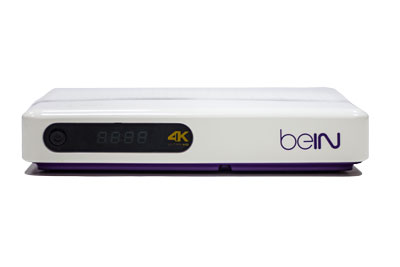
Follow these detailed steps to manually add beIN Series to your satellite receiver. These instructions are designed for beIN-approved receivers (e.g., beIN 4K Media Server, Humax), as the channel is encrypted. Menu options may vary slightly by model.
-
Access the Setup Menu:
-
Using your receiver’s remote, press the “Menu” or “Settings” button.
-
Navigate to the “Installation,” “Setup,” or “Channel Search” section (may be labeled as “Tuner Configuration” or “Antenna Setup”).
-
-
Select Manual Search:
-
Choose “Manual Scan,” “Manual Installation,” or “Add New Relay” to input custom settings.
-
If prompted, select “Edit TP” or “Add TP.”
-
-
Choose the Satellite:
-
Select the target satellite:
-
For Nilesat: Nilesat 201/Eutelsat 7 West A (7.0° West).
-
For Es’hailSat: Es’hailSat 1 (25.5° East).
-
-
If the satellite is not listed, add it manually by entering its orbital position (e.g., 7.0° W for Nilesat).
-
-
Enter Relay Details:
-
Input the following settings based on your chosen satellite:
-
Nilesat (11055 MHz):
-
Frequency: 11055 MHz
-
Polarization: Horizontal (H)
-
Symbol Rate: 27500 kS/s
-
FEC: 2/3
-
-
Es’hailSat (11390 MHz):
-
Frequency: 11390 MHz
-
Polarization: Horizontal (H)
-
Symbol Rate: 27500 kS/s
-
FEC: 2/3
-
-
-
Ensure accuracy to avoid scan failures.
-
-
Initiate the Scan:
-
Press “Scan,” “Search,” or “OK” to start the transponder scan.
-
Select “All Channels” or “Encrypted Channels” to include beIN Series, which requires decryption via a beIN smartcard.
-
Wait for the scan to complete (1-3 minutes). beIN Series should appear in the results if your subscription is active.
-
-
Save the Channels:
-
Confirm and save the scanned channels by pressing “Save” or “OK.”
-
The receiver will add beIN Series to your channel list, typically under “Entertainment” or “beIN Packages.”
-
-
Verify Subscription:
-
Ensure your beIN subscription is active and your smartcard is inserted correctly. If the channel displays a “Scrambled” message, contact beIN support at www.bein.com or your local distributor.
-
Activate your receiver via beIN’s official channels if it’s a new setup.
-
-
Fine-Tune the Dish:
-
If the signal is weak or the channel doesn’t appear, adjust the dish’s azimuth and elevation slightly while monitoring the signal meter on the receiver’s “Signal Strength” screen.
-
Check LNB skew and cable connections for optimal signal quality (aim for 70-98% strength).
-
-
Test the Streaming:
-
Navigate to the channel list, locate beIN Series, and select it to verify clear broadcasting.
-
If issues persist, recheck transponder settings, confirm subscription status, or consult a professional installer.
-
Model-Specific Notes:
-
For beIN receivers, use the “Auto Scan” feature to update all beIN channels, including beIN Series, if your subscription is active.
-
For non-beIN receivers (e.g., Strong, Technisat), ensure the device supports Conax encryption and DVB-S2 for beIN’s HD channels.
-
If the receiver requires a PIN, try defaults like 0000 or 1234, or refer to the user manual.
beIN Series Highlighted broadcasts
beIN Series offers a 24/7 lineup of premium TV series, catering to diverse tastes with high-quality production and Arabic localization. Below are key content highlights and categories:
Popular Content
-
American Series: Hits like Grey’s Anatomy, The Walking Dead, and NCIS, delivering drama, action, and suspense.
-
Turkish Dramas: Popular shows like Diriliş: Ertuğrul and Kuruluş: Osman, resonating with fans of historical epics.
-
Arabic Series: Regional favorites like Al-Khawaja Abdul Qadir and Bab Al-Hara, showcasing Arab storytelling.
-
Crime and Thriller: Series like Breaking Bad and Fargo, appealing to viewers seeking intense narratives.
-
Comedy and Romance: Light-hearted shows like Modern Family and This Is Us, perfect for family viewing.
Content divisions
-
Drama and Romance: Emotional series dominate prime-time slots, focusing on love, family, and personal struggles.
-
Action and Thriller: High-stakes shows air late-night, catering to fans of suspense and crime.
-
Historical Epics: Turkish and Arabic historical dramas attract viewers interested in cultural narratives.
-
Comedy: Family-friendly sitcoms provide humor for all ages, often scheduled during daytime or weekends.
-
Exclusive Premieres: beIN Series frequently debuts new seasons or exclusive series, keeping content fresh.
The channel’s schedule prioritizes prime-time (7 PM to 11 PM) for major releases, with weekend marathons for binge-watching and daytime reruns for flexible viewing. All content is broadcast in HD with Arabic subtitles or dubbing, ensuring accessibility.
Satellite networks continuously evolve, with changes in transponder positions and channel frequencies. Staying informed about these updates helps viewers adapt quickly and maintain smooth reception.
Durable equipment is key for consistent signal quality. Strong dishes, reliable cables, and secure connectors reduce the risk of disruptions and ensure a stable viewing experience even in challenging environmental conditions.
Proper dish alignment further enhances performance. Adjusting the angle or positioning can improve signal strength, minimize interference, and guarantee clear reception of all available channels.
Knowledge of satellite coverage areas enables viewers to optimize their installations. By understanding which satellites provide the best signal in a given region, users can maximize channel availability and minimize reception issues.
Combining precise configuration, quality hardware, correct dish alignment, and awareness of coverage areas ensures a seamless, high-quality TV experience, giving viewers uninterrupted access to news, sports, entertainment, and educational content worldwide.
Satellite networks continuously evolve, with changes in transponder positions and channel frequencies. Staying informed about these updates helps viewers adapt quickly and maintain smooth reception.
Durable equipment is key for consistent signal quality. Strong dishes, reliable cables, and secure connectors reduce the risk of disruptions and ensure a stable viewing experience even in challenging environmental conditions.
Proper dish alignment further enhances performance. Adjusting the angle or positioning can improve signal strength, minimize interference, and guarantee clear reception of all available channels.
Knowledge of satellite coverage areas enables viewers to optimize their installations. By understanding which satellites provide the best signal in a given region, users can maximize channel availability and minimize reception issues.
Combining precise configuration, quality hardware, correct dish alignment, and awareness of coverage areas ensures a seamless, high-quality TV experience, giving viewers uninterrupted access to news, sports, entertainment, and educational content worldwide.
Accurate frequency information is essential to prevent signal loss or interference. Even small errors in setting transponders or modulation parameters can result in disrupted viewing, making updated data a necessity for uninterrupted access.
High-quality hardware plays a major role in consistent performance. Robust dishes, durable cabling, and secure connectors maintain strong signal strength, ensuring uninterrupted access even during adverse weather conditions.
Optimized dish alignment enhances reception across all channels. Small adjustments can significantly improve signal clarity, reduce interference, and provide viewers with a smooth and enjoyable viewing experience.
Understanding satellite footprints allows users to maximize their setup. By positioning dishes according to coverage areas, viewers can access a wider range of channels with minimal signal degradation.
Combining accurate configuration, premium equipment, proper alignment, and knowledge of coverage areas ensures a stable and seamless TV experience, offering consistent access to global news, entertainment, sports, and educational programming.
Satellite networks frequently update their transponder positions and channel frequencies. Staying informed about these changes allows viewers to quickly adjust their equipment and maintain seamless access to all channels.
High-quality equipment is crucial for signal stability. Durable dishes, reliable cables, and secure connectors reduce the risk of weak reception or disruptions caused by environmental factors like rain or strong winds.
Correct alignment of the satellite dish significantly improves signal strength. Even minor adjustments in angle or direction can enhance reception, minimize interference, and ensure that all desired channels are received with clarity.
Understanding satellite coverage areas helps optimize installations. Knowledge of footprints allows viewers to capture the maximum number of channels available in their region and reduces the need for repeated retuning or troubleshooting.
By combining precise receiver settings, quality equipment, and proper dish alignment, viewers can enjoy a smooth and uninterrupted TV experience, ensuring access to a wide variety of entertainment, news, sports, and educational content.
Satellite networks continuously evolve, with changes in transponder positions and channel frequencies. Staying informed about these updates helps viewers adapt quickly and maintain smooth reception.
Durable equipment is key for consistent signal quality. Strong dishes, reliable cables, and secure connectors reduce the risk of disruptions and ensure a stable viewing experience even in challenging environmental conditions.
Proper dish alignment further enhances performance. Adjusting the angle or positioning can improve signal strength, minimize interference, and guarantee clear reception of all available channels.
Knowledge of satellite coverage areas enables viewers to optimize their installations. By understanding which satellites provide the best signal in a given region, users can maximize channel availability and minimize reception issues.
Combining precise configuration, quality hardware, correct dish alignment, and awareness of coverage areas ensures a seamless, high-quality TV experience, giving viewers uninterrupted access to news, sports, entertainment, and educational content worldwide.
Satellite networks frequently update their transponder positions and channel frequencies. Staying informed about these changes allows viewers to quickly adjust their equipment and maintain seamless access to all channels.
High-quality equipment is crucial for signal stability. Durable dishes, reliable cables, and secure connectors reduce the risk of weak reception or disruptions caused by environmental factors like rain or strong winds.
Correct alignment of the satellite dish significantly improves signal strength. Even minor adjustments in angle or direction can enhance reception, minimize interference, and ensure that all desired channels are received with clarity.
Understanding satellite coverage areas helps optimize installations. Knowledge of footprints allows viewers to capture the maximum number of channels available in their region and reduces the need for repeated retuning or troubleshooting.
By combining precise receiver settings, quality equipment, and proper dish alignment, viewers can enjoy a smooth and uninterrupted TV experience, ensuring access to a wide variety of entertainment, news, sports, and educational content.
Signal clarity depends not only on correct receiver settings but also on the quality of the equipment used. High-grade satellite dishes, robust connectors, and reliable cables work together to maintain strong and stable reception, even under challenging environmental conditions.
Accurate configuration of frequency, polarization, symbol rate, and modulation is essential for optimal performance. Even minor errors can result in distorted images, weak signals, or temporary loss of channels, making attention to detail a key factor for uninterrupted viewing.
Proper dish alignment is crucial in maximizing signal strength. Adjusting the angle or direction of the dish, even slightly, can significantly reduce interference and improve reception across all available channels, ensuring a smooth and consistent experience.
Awareness of satellite coverage areas and footprints allows viewers to optimize their installations. By understanding which satellites provide the best signal in their region, audiences can access a wider range of channels with minimal effort or repeated adjustments.
Regular monitoring and maintenance of the satellite system further enhance long-term performance. Periodically checking equipment, verifying connections, and fine-tuning alignment prevent potential disruptions and contribute to a consistently high-quality viewing experience.
By combining accurate receiver settings, quality equipment, proper alignment, and knowledge of satellite coverage, viewers can enjoy a seamless and immersive TV experience. This approach ensures reliable access to entertainment, news, sports, and educational programming, creating a satisfying and uninterrupted viewing environment for the entire household.
Satellite networks frequently update their transponder positions and channel frequencies. Staying informed about these changes allows viewers to quickly adjust their equipment and maintain seamless access to all channels.
High-quality equipment is crucial for signal stability. Durable dishes, reliable cables, and secure connectors reduce the risk of weak reception or disruptions caused by environmental factors like rain or strong winds.
Correct alignment of the satellite dish significantly improves signal strength. Even minor adjustments in angle or direction can enhance reception, minimize interference, and ensure that all desired channels are received with clarity.
Understanding satellite coverage areas helps optimize installations. Knowledge of footprints allows viewers to capture the maximum number of channels available in their region and reduces the need for repeated retuning or troubleshooting.
By combining precise receiver settings, quality equipment, and proper dish alignment, viewers can enjoy a smooth and uninterrupted TV experience, ensuring access to a wide variety of entertainment, news, sports, and educational content.
Accurate frequency information is essential to prevent signal loss or interference. Even small errors in setting transponders or modulation parameters can result in disrupted viewing, making updated data a necessity for uninterrupted access.
High-quality hardware plays a major role in consistent performance. Robust dishes, durable cabling, and secure connectors maintain strong signal strength, ensuring uninterrupted access even during adverse weather conditions.
Optimized dish alignment enhances reception across all channels. Small adjustments can significantly improve signal clarity, reduce interference, and provide viewers with a smooth and enjoyable viewing experience.
Understanding satellite footprints allows users to maximize their setup. By positioning dishes according to coverage areas, viewers can access a wider range of channels with minimal signal degradation.
Combining accurate configuration, premium equipment, proper alignment, and knowledge of coverage areas ensures a stable and seamless television experience, offering consistent access to global news, entertainment, sports, and educational programming.