The rapid expansion of satellite networks and the continuous launch of new channels make staying informed about accurate frequency information essential. Without precise tuning, viewers may experience interruptions, degraded signal quality, or the complete loss of channels they rely on daily.
Satellite systems are complex and constantly evolving. Channel frequencies, transponder settings, and transmission parameters are frequently updated, requiring viewers to adjust their equipment to maintain consistent access. Being aware of these changes ensures uninterrupted entertainment and reliable reception.
Accurate configuration of satellite receivers is crucial for achieving optimal performance. Key parameters, including frequency, polarization, symbol rate, and modulation type, must be entered carefully to avoid weak signals or distorted images, ensuring a clear and stable viewing experience.
The quality of equipment also significantly influences reception. High-quality satellite dishes, secure connectors, and durable cabling work together to maintain strong and consistent signals, even in areas affected by environmental challenges or signal interference.
Correct alignment and positioning of the satellite dish further enhance performance. Even small adjustments in angle or direction can improve signal strength, reduce interference, and guarantee that all desired channels are received with maximum clarity.
Understanding regional satellite coverage areas allows viewers to optimize their installations. Knowledge of footprints helps users receive the full range of available channels while minimizing disruptions or the need for repeated retuning.
With precise receiver settings, quality equipment, and awareness of satellite coverage, viewers can enjoy a seamless and uninterrupted TV experience. This combination ensures access to a rich variety of content worldwide, from entertainment and sports to news and educational programming, all delivered with clarity and reliability.
The rapidly changing landscape of satellite broadcasting demands constant attention to frequency information. Without accurate data, viewers risk losing access to channels or experiencing interrupted reception, highlighting the importance of precise tuning and regular updates.
Modern satellites are equipped with multiple transponders and frequently adjust their positions, requiring viewers to stay informed to maintain uninterrupted access. Awareness of these changes allows audiences to enjoy continuous, high-quality viewing without the frustration of signal drops or pixelation.
Setting up a satellite receiver correctly is a critical step in ensuring optimal performance. Accurate entry of parameters such as frequency, polarization, symbol rate, and modulation type is essential to avoid weak signals, distorted images, or temporary channel loss.
The quality of equipment plays an equally vital role. Durable satellite dishes, high-quality cables, and secure connectors work together to sustain strong, stable signals, even in challenging weather conditions or regions with complex satellite footprints.
Proper dish alignment and orientation are crucial to maximizing signal strength. Even minor adjustments can significantly enhance reception, reduce interference, and ensure that viewers receive every available channel with clear and stable transmission.
Understanding regional satellite coverage allows viewers to optimize their installations effectively. By knowing the exact footprint of each satellite, users can configure their dishes to capture the widest possible range of channels while minimizing interference from nearby satellites.
Combining precise receiver settings, robust equipment, and a comprehensive understanding of satellite coverage guarantees a seamless TV experience. Viewers can enjoy uninterrupted access to a rich variety of content, making satellite technology an indispensable tool for modern entertainment, information, and education.
As the number of satellites and available channels continues to grow, keeping up-to-date with accurate frequency information is essential. Without precise data, viewers may experience signal loss, pixelation, or complete unavailability of their favorite channels, disrupting the overall viewing experience.
The landscape of satellite broadcasting is constantly evolving. Channel frequencies, transponder settings, and transmission parameters are frequently updated, and awareness of these changes allows audiences to maintain uninterrupted access to their preferred programming.
Proper receiver configuration is critical for optimal performance. Key parameters such as frequency, polarization, symbol rate, and modulation type must be set accurately to prevent weak signals or distorted images, ensuring a stable and enjoyable viewing experience.
High-quality equipment plays an equally important role in maintaining signal integrity. Reliable satellite dishes, durable cables, and secure connectors help preserve strong and consistent reception, even under adverse environmental conditions such as storms, heavy rain, or strong winds.
Aligning and positioning the satellite dish correctly can dramatically enhance signal strength. Minor adjustments in the dish’s angle or orientation often make a significant difference in reception quality, reducing interference and ensuring that all available channels are received clearly.
Understanding regional satellite coverage is vital for optimizing installations. Knowledge of satellite footprints allows viewers to maximize channel availability in their area while minimizing the likelihood of weak or lost signals, ensuring a consistent and reliable TV experience.
Regular monitoring and maintenance of the satellite system contribute to long-term performance stability. Periodic inspection of cables, connectors, and dish alignment helps prevent technical issues and ensures that signals remain clear and uninterrupted over time.
Advanced satellite receivers now support high-definition and ultra-high-definition content. Proper tuning and accurate configuration are required to enjoy these formats at their full quality, as even small misalignments or incorrect settings can negatively affect the viewing experience.
Environmental factors can impact reception, but robust equipment and careful installation minimize these effects. Well-positioned dishes, reinforced cables, and secure connectors allow viewers to maintain uninterrupted access to their channels despite weather or other external challenges.
By combining accurate receiver settings, high-quality equipment, and awareness of satellite coverage, viewers can enjoy a seamless and uninterrupted TV experience. This approach ensures access to a wide variety of global content, from entertainment and sports to news and educational programming, providing a complete and satisfying viewing experience.
As the number of satellites and available channels continues to grow, keeping up-to-date with accurate frequency information is essential. Without precise data, viewers may experience signal loss, pixelation, or complete unavailability of their favorite channels, disrupting the overall viewing experience.
The landscape of satellite broadcasting is constantly evolving. Channel frequencies, transponder settings, and transmission parameters are frequently updated, and awareness of these changes allows audiences to maintain uninterrupted access to their preferred programming.
Proper receiver configuration is critical for optimal performance. Key parameters such as frequency, polarization, symbol rate, and modulation type must be set accurately to prevent weak signals or distorted images, ensuring a stable and enjoyable viewing experience.
High-quality equipment plays an equally important role in maintaining signal integrity. Reliable satellite dishes, durable cables, and secure connectors help preserve strong and consistent reception, even under adverse environmental conditions such as storms, heavy rain, or strong winds.
Aligning and positioning the satellite dish correctly can dramatically enhance signal strength. Minor adjustments in the dish’s angle or orientation often make a significant difference in reception quality, reducing interference and ensuring that all available channels are received clearly.
Understanding regional satellite coverage is vital for optimizing installations. Knowledge of satellite footprints allows viewers to maximize channel availability in their area while minimizing the likelihood of weak or lost signals, ensuring a consistent and reliable TV experience.
Regular monitoring and maintenance of the satellite system contribute to long-term performance stability. Periodic inspection of cables, connectors, and dish alignment helps prevent technical issues and ensures that signals remain clear and uninterrupted over time.
Advanced satellite receivers now support high-definition and ultra-high-definition content. Proper tuning and accurate configuration are required to enjoy these formats at their full quality, as even small misalignments or incorrect settings can negatively affect the viewing experience.
Environmental factors can impact reception, but robust equipment and careful installation minimize these effects. Well-positioned dishes, reinforced cables, and secure connectors allow viewers to maintain uninterrupted access to their channels despite weather or other external challenges.
By combining accurate receiver settings, high-quality equipment, and awareness of satellite coverage, viewers can enjoy a seamless and uninterrupted TV experience. This approach ensures access to a wide variety of global content, from entertainment and sports to news and educational programming, providing a complete and satisfying viewing experience.
The rapidly changing landscape of satellite broadcasting demands constant attention to frequency information. Without accurate data, viewers risk losing access to channels or experiencing interrupted reception, highlighting the importance of precise tuning and regular updates.
Modern satellites are equipped with multiple transponders and frequently adjust their positions, requiring viewers to stay informed to maintain uninterrupted access. Awareness of these changes allows audiences to enjoy continuous, high-quality viewing without the frustration of signal drops or pixelation.
Setting up a satellite receiver correctly is a critical step in ensuring optimal performance. Accurate entry of parameters such as frequency, polarization, symbol rate, and modulation type is essential to avoid weak signals, distorted images, or temporary channel loss.
The quality of equipment plays an equally vital role. Durable satellite dishes, high-quality cables, and secure connectors work together to sustain strong, stable signals, even in challenging weather conditions or regions with complex satellite footprints.
Proper dish alignment and orientation are crucial to maximizing signal strength. Even minor adjustments can significantly enhance reception, reduce interference, and ensure that viewers receive every available channel with clear and stable transmission.
Understanding regional satellite coverage allows viewers to optimize their installations effectively. By knowing the exact footprint of each satellite, users can configure their dishes to capture the widest possible range of channels while minimizing interference from nearby satellites.
Combining precise receiver settings, robust equipment, and a comprehensive understanding of satellite coverage guarantees a seamless TV experience. Viewers can enjoy uninterrupted access to a rich variety of content, making satellite technology an indispensable tool for modern entertainment, information, and education.
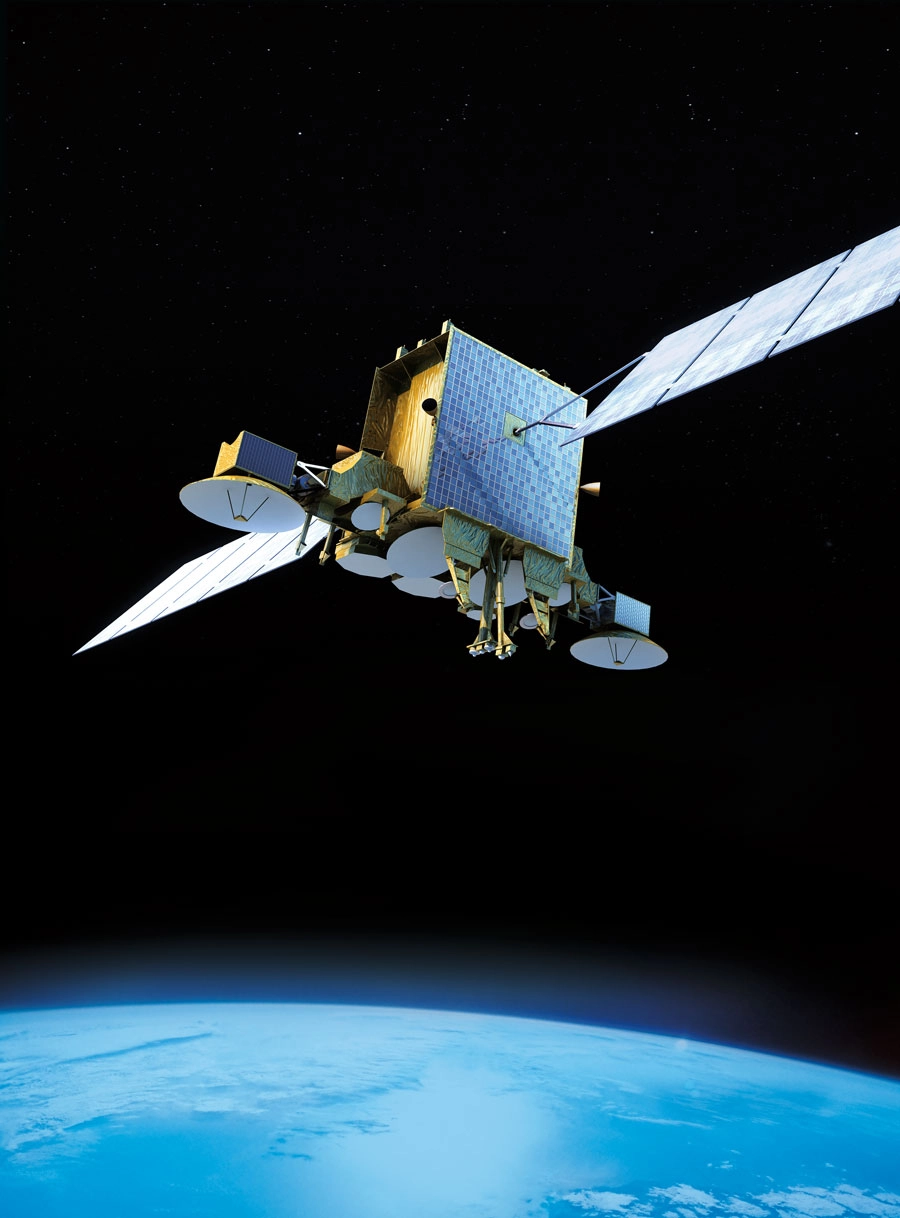
ArabSat is one of the most prominent communication satellites in the Arab world, providing vital services across the Middle East, North Africa, and Europe. Since its launch in 1985, ArabSat has revolutionized satellite TV, radio broadcasting, and telecommunications in the region.
With its strategic position in space, ArabSat has become an essential platform for delivering high-quality services to millions of viewers and businesses.
🚀 On the subject of ArabSat
ArabSat is owned by the Arab States Broadcasting Union (ASBU) and serves as a regional hub for satellite communications. It provides a wide range of services including:
-
Satellite TV and radio broadcasting
-
Telecommunications
-
Internet services
-
Corporate communications
ArabSat has been key in connecting countries across the Arab world and delivering content from both local and international broadcasters. The satellite is known for its reliability and vast coverage, offering seamless connectivity in urban and remote areas alike.
🌐 ArabSat’s Satellite Fleet
ArabSat operates a fleet of satellites positioned at various orbital slots. These satellites are strategically placed to ensure optimal coverage across the Middle East, North Africa, and parts of Europe. The fleet includes:
-
ArabSat 6A
-
ArabSat 5C
-
ArabSat 4B
-
ArabSat 4A
-
ArabSat 2 (and more)
Each satellite is equipped with high-powered transponders that enable broadcast services, including high-definition (HD) TV, radio channels, and internet connectivity.
🛰️ Frequencies and Services on ArabSat
ArabSat offers a wide range of frequencies across different bands, including C-band, Ku-band, and Ka-band. These frequencies are used for:
-
TV and radio channels
-
Internet and data transmission
-
Private corporate communication networks
The specific frequencies used for different services can vary depending on the location of the user, and ArabSat offers detailed guidelines on how to access its channels and services through the appropriate frequencies.
For viewers and users who want to find the right frequencies for their satellite equipment, Signal Atlas is the perfect platform. Signal Atlas provides a detailed guide on ArabSat frequencies, helping users access satellite TV channels, radio stations, and communication services easily.
📡 How to Receive ArabSat Signals
To access ArabSat’s signals, users must have a satellite dish installed and properly aligned to the satellite’s position. The most common frequencies used for ArabSat TV and radio services include:
-
C-band: Typically used for long-range communication and high-quality TV broadcasts.
-
Ku-band: Often used for regional TV broadcasting, offering high-definition channels.
-
Ka-band: Used for higher bandwidth services, including satellite internet.
By following the frequency guidelines available on Signal Atlas, users can ensure that their satellite systems are tuned to the correct frequencies to receive the best possible service.
ArabSat continues to play a pivotal role in the communication and broadcasting landscape of the Arab world. Its reliable services and wide coverage make it an indispensable tool for viewers, broadcasters, and businesses across the region. If you want to access ArabSat’s satellite channels or learn more On the subject of its frequencies, Signal Atlas is your go-to resource for all the information you need.
Satellite networks continuously evolve, with changes in transponder positions and channel frequencies. Staying informed about these updates helps viewers adapt quickly and maintain smooth reception.
Durable equipment is key for consistent signal quality. Strong dishes, reliable cables, and secure connectors reduce the risk of disruptions and ensure a stable viewing experience even in challenging environmental conditions.
Proper dish alignment further enhances performance. Adjusting the angle or positioning can improve signal strength, minimize interference, and guarantee clear reception of all available channels.
Knowledge of satellite coverage areas enables viewers to optimize their installations. By understanding which satellites provide the best signal in a given region, users can maximize channel availability and minimize reception issues.
Combining precise configuration, quality hardware, correct dish alignment, and awareness of coverage areas ensures a seamless, high-quality TV experience, giving viewers uninterrupted access to news, sports, entertainment, and educational content worldwide.
Signal clarity is influenced by the combination of accurate receiver configuration and durable hardware. Properly installed dishes, reinforced cables, and secure connectors ensure stable performance even in areas affected by environmental challenges or high interference.
Fine-tuning the satellite dish and verifying all parameters can greatly enhance the viewing experience. Small adjustments often translate into sharper images, uninterrupted audio, and reliable access to all available channels.
With informed setup, quality equipment, and careful tuning, viewers can enjoy TV seamlessly and without frustration. This approach guarantees a dependable and high-quality viewing experience across a wide variety of channels, from entertainment and sports to news and educational content.
Accurate frequency information is essential to prevent signal loss or interference. Even small errors in setting transponders or modulation parameters can result in disrupted viewing, making updated data a necessity for uninterrupted access.
High-quality hardware plays a major role in consistent performance. Robust dishes, durable cabling, and secure connectors maintain strong signal strength, ensuring uninterrupted access even during adverse weather conditions.
Optimized dish alignment enhances reception across all channels. Small adjustments can significantly improve signal clarity, reduce interference, and provide viewers with a smooth and enjoyable viewing experience.
Understanding satellite footprints allows users to maximize their setup. By positioning dishes according to coverage areas, viewers can access a wider range of channels with minimal signal degradation.
Combining accurate configuration, premium equipment, proper alignment, and knowledge of coverage areas ensures a stable and seamless TV experience, offering consistent access to global news, entertainment, sports, and educational programming.
The performance of any satellite system depends on a combination of precise configuration and reliable equipment. Using high-quality dishes, secure connectors, and sturdy cables ensures that signals remain strong, minimizing interruptions even in challenging weather conditions.
Adjusting dish alignment and monitoring signal strength regularly can significantly improve the overall viewing experience. Minor tweaks often result in sharper visuals, uninterrupted audio, and consistent access to all desired channels without distortion or interference.
By combining technical knowledge, quality hardware, and careful tuning, viewers can enjoy an effortless and immersive satellite TV experience. This approach guarantees reliable access to global content, including news, entertainment, sports, and educational programming, enriching the viewing experience for every member of the household.
Signal clarity is influenced by the combination of accurate receiver configuration and durable hardware. Properly installed dishes, reinforced cables, and secure connectors ensure stable performance even in areas affected by environmental challenges or high interference.
Fine-tuning the satellite dish and verifying all parameters can greatly enhance the viewing experience. Small adjustments often translate into sharper images, uninterrupted audio, and reliable access to all available channels.
With informed setup, quality equipment, and careful tuning, viewers can enjoy TV seamlessly and without frustration. This approach guarantees a dependable and high-quality viewing experience across a wide variety of channels, from entertainment and sports to news and educational content.
Signal clarity depends not only on correct receiver settings but also on the quality of the equipment used. High-grade satellite dishes, robust connectors, and reliable cables work together to maintain strong and stable reception, even under challenging environmental conditions.
Accurate configuration of frequency, polarization, symbol rate, and modulation is essential for optimal performance. Even minor errors can result in distorted images, weak signals, or temporary loss of channels, making attention to detail a key factor for uninterrupted viewing.
Proper dish alignment is crucial in maximizing signal strength. Adjusting the angle or direction of the dish, even slightly, can significantly reduce interference and improve reception across all available channels, ensuring a smooth and consistent experience.
Awareness of satellite coverage areas and footprints allows viewers to optimize their installations. By understanding which satellites provide the best signal in their region, audiences can access a wider range of channels with minimal effort or repeated adjustments.
Regular monitoring and maintenance of the satellite system further enhance long-term performance. Periodically checking equipment, verifying connections, and fine-tuning alignment prevent potential disruptions and contribute to a consistently high-quality viewing experience.
By combining accurate receiver settings, quality equipment, proper alignment, and knowledge of satellite coverage, viewers can enjoy a seamless and immersive TV experience. This approach ensures reliable access to entertainment, news, sports, and educational programming, creating a satisfying and uninterrupted viewing environment for the entire household.
Satellite networks continuously evolve, with changes in transponder positions and channel frequencies. Staying informed about these updates helps viewers adapt quickly and maintain smooth reception.
Durable equipment is key for consistent signal quality. Strong dishes, reliable cables, and secure connectors reduce the risk of disruptions and ensure a stable viewing experience even in challenging environmental conditions.
Proper dish alignment further enhances performance. Adjusting the angle or positioning can improve signal strength, minimize interference, and guarantee clear reception of all available channels.
Knowledge of satellite coverage areas enables viewers to optimize their installations. By understanding which satellites provide the best signal in a given region, users can maximize channel availability and minimize reception issues.
Combining precise configuration, quality hardware, correct dish alignment, and awareness of coverage areas ensures a seamless, high-quality TV experience, giving viewers uninterrupted access to news, sports, entertainment, and educational content worldwide.
Signal clarity is influenced by the combination of accurate receiver configuration and durable hardware. Properly installed dishes, reinforced cables, and secure connectors ensure stable performance even in areas affected by environmental challenges or high interference.
Fine-tuning the satellite dish and verifying all parameters can greatly enhance the viewing experience. Small adjustments often translate into sharper images, uninterrupted audio, and reliable access to all available channels.
With informed setup, quality equipment, and careful tuning, viewers can enjoy TV seamlessly and without frustration. This approach guarantees a dependable and high-quality viewing experience across a wide variety of channels, from entertainment and sports to news and educational content.
Accurate frequency information is essential to prevent signal loss or interference. Even small errors in setting transponders or modulation parameters can result in disrupted viewing, making updated data a necessity for uninterrupted access.
High-quality hardware plays a major role in consistent performance. Robust dishes, durable cabling, and secure connectors maintain strong signal strength, ensuring uninterrupted access even during adverse weather conditions.
Optimized dish alignment enhances reception across all channels. Small adjustments can significantly improve signal clarity, reduce interference, and provide viewers with a smooth and enjoyable viewing experience.
Understanding satellite footprints allows users to maximize their setup. By positioning dishes according to coverage areas, viewers can access a wider range of channels with minimal signal degradation.
Combining accurate configuration, premium equipment, proper alignment, and knowledge of coverage areas ensures a stable and seamless television experience, offering consistent access to global news, entertainment, sports, and educational programming.